
 Bulindi
 Wagaisa
.webp?width=600&height=450&name=bccp_individual%20chimp%20page%20-%20mairirwe_the%20mairirwe%20chimpanzees%20(1).webp) Mairirwe
Mairirwe
 Kyabasengya
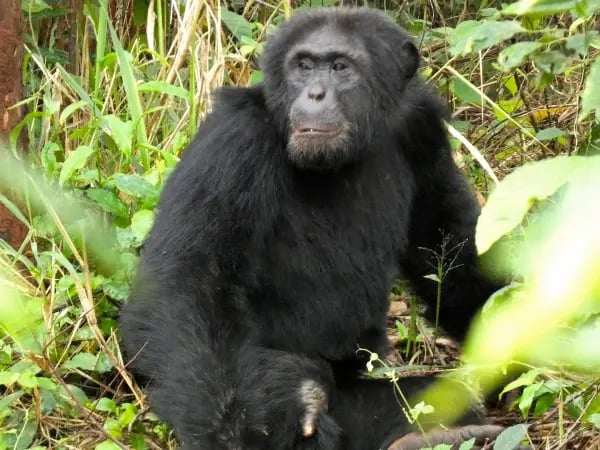 Kihomboza
.webp?width=600&height=450&name=bccp_individual%20chimp%20page%20-%20kiraira-kasunga_the%20kiraira%E2%80%93kasunga%20chimpanzees%20(1).webp) Kiraira-Kasunga
Kiraira-Kasunga
 Blogs & Updates
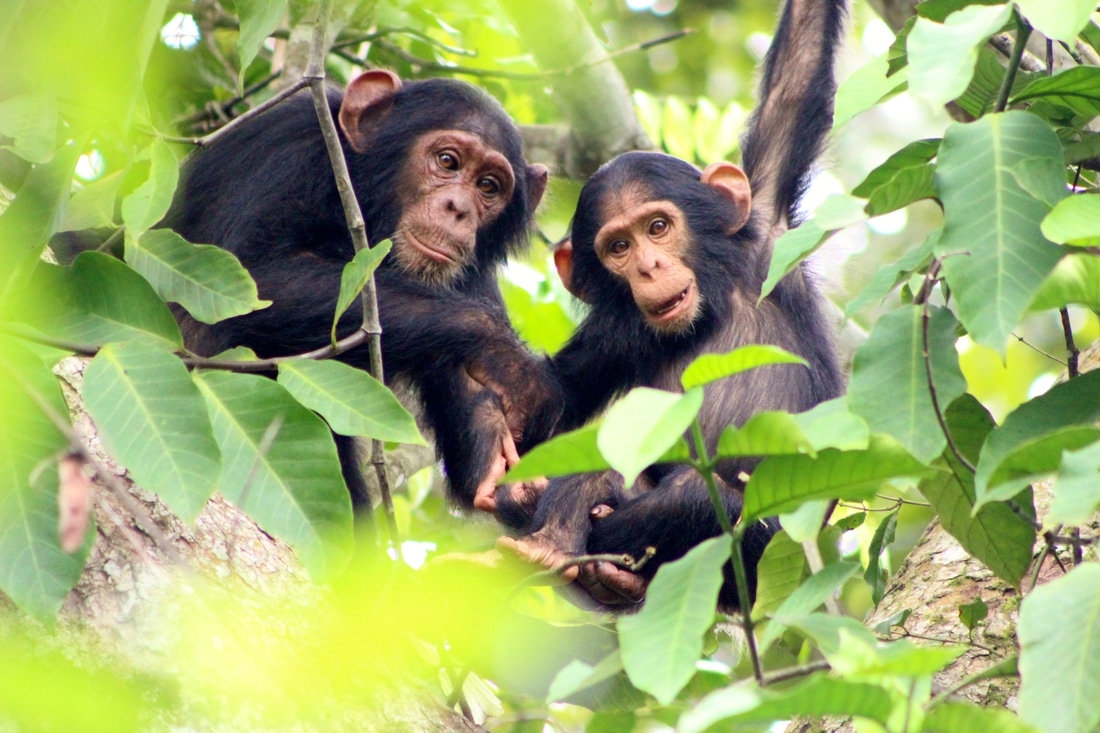
 Videos
 Publications
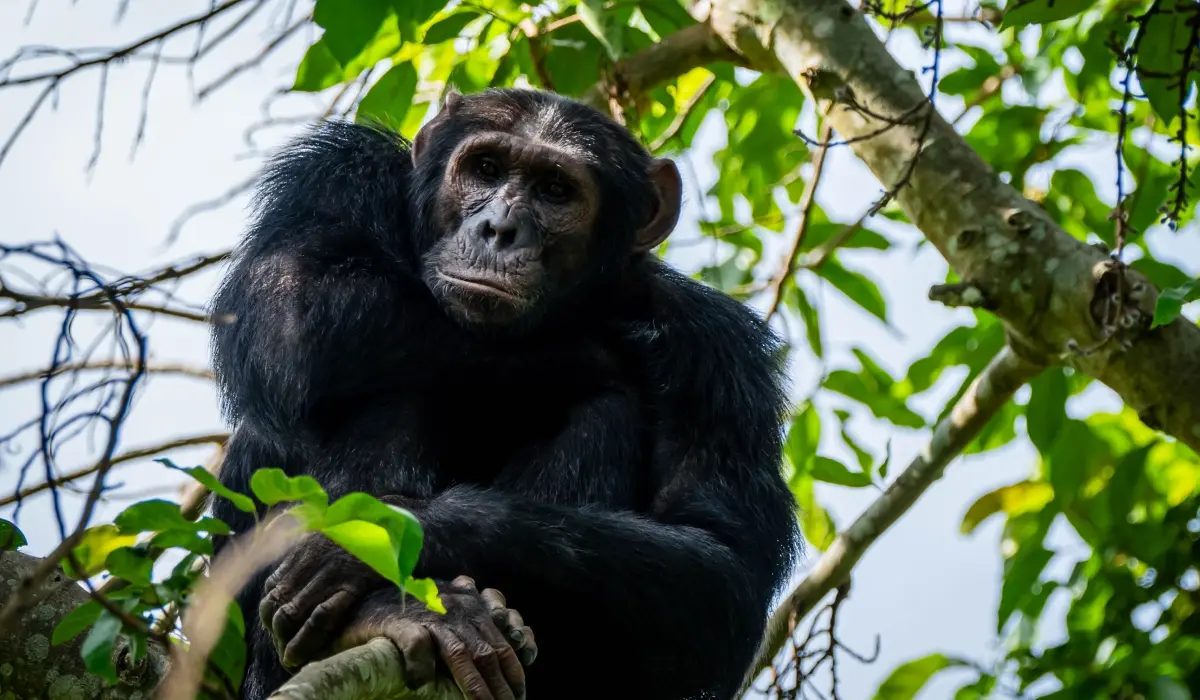
In the Budongo–Bugoma Corridor, survival is a matter of geography. For years, we have watched the chimpanzee's home shrink into isolated "islands" of forest scattered across an agricultural landscape. The greatest threat to these resilient apes isn't just the loss of trees; it is the dangerous open space between them.
Our mission has always been clear: We must reconnect these fragments.
Thanks to the accelerated support and technical framework provided by our partnership with Green.Earth, we are moving beyond just protecting what is left. We are actively rebuilding what was lost. Here is an inside look at the recent progress on the ground, where data meets dirt.
The corridor strategy taking root
The primary focus of the recent rainy season was the critical riverine corridor connecting the main forest patches. For a chimpanzee, crossing open farmland is a high-stress, high-risk endeavor. Our goal is to create a continuous canopy that allows them to move freely and safely.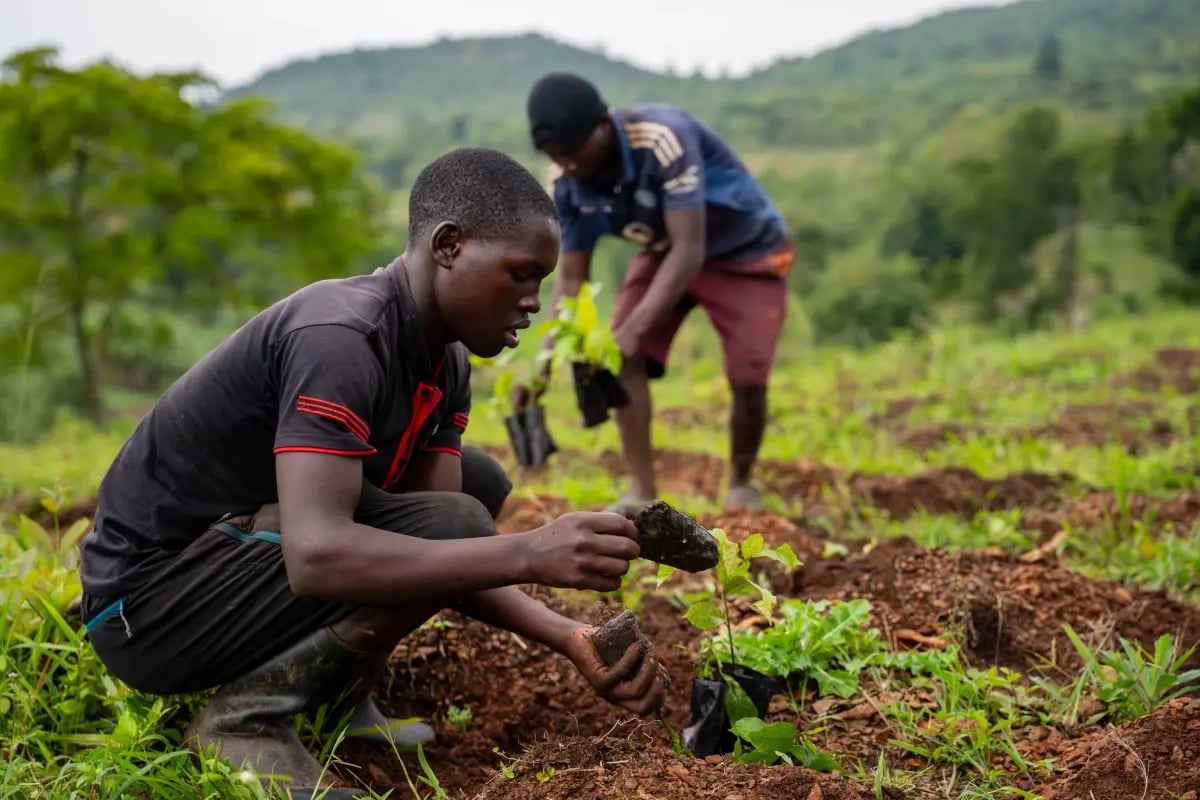 As part of the Green.Earth project, 11,200 indigenous tree species are grown in local, community-managed nurseries. The trees will be distributed to the local community for planting, laying the groundwork for long-term ecological restoration.
The clonal coffee nursery: A "chimp-friendly" economy
A forest cannot be protected if the community living within it is struggling. The pressure on the Budongo–Bugoma Corridor's (of which Bulindi forms a part of) forests often comes from a desperate need for fuel and income. If we don't address the human need, the conservation effort fails.
This is where the clonal coffee nursery, named Mwani, plays a crucial role. This initiative is part of the project with Green.Earth, and is designed to provide long-term alternatives to deforestation by shifting local agriculture towards high-value, sustainable cash crops.
What is clonal coffee? Clonal coffee refers to Robusta seedlings propagated through vegetative cuttings from select "mother" trees. Unlike coffee grown from seeds, which can be inconsistent, clonal plants are genetically identical to their high-performing parents. These varieties ere specifically selected for resistance to diseases, their high yields (increasing productivity without requiring more land), and for being "chimp-friendly". Unlike sugarcane, jackfruit, or other fruits, chimpanzees do not eat coffee berries or the plant itself, significantly reducing human-wildlife conflict.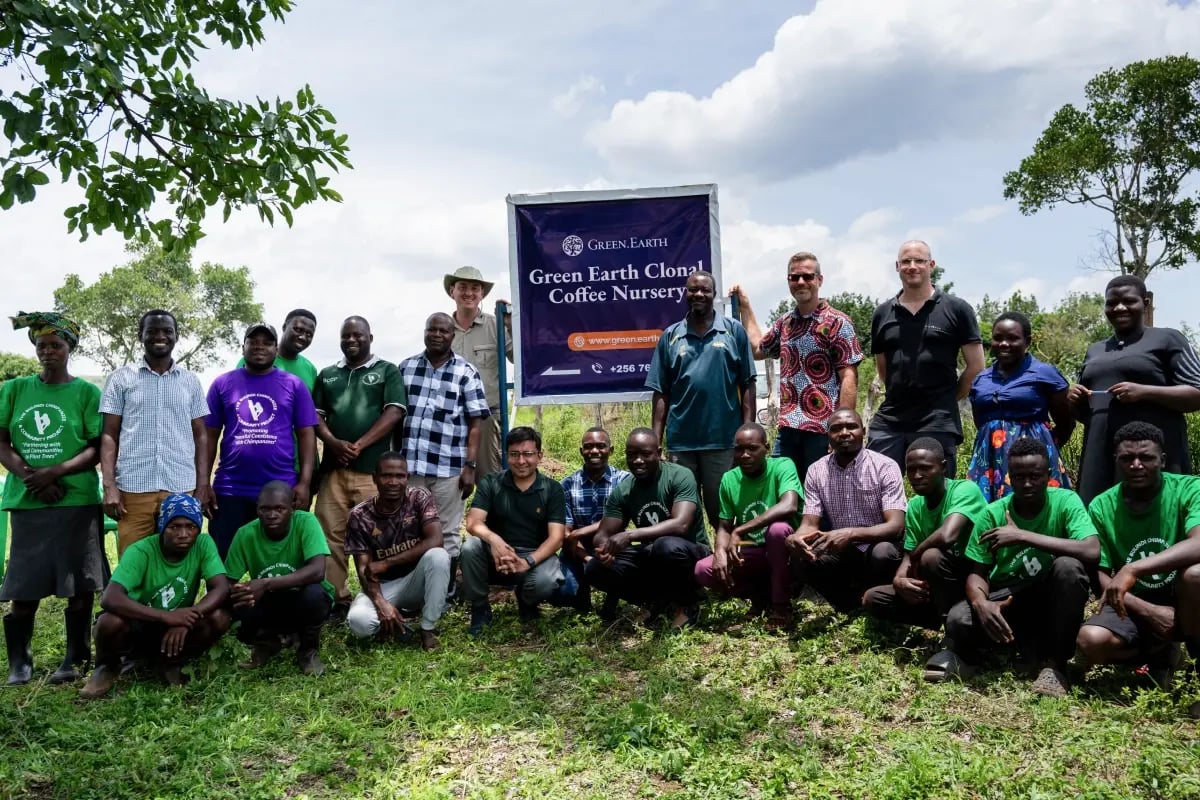 These seedlings, along with indigenous species, are distributed to and planted by the community using agroforestry methods, creating a sustainable land management system that supports both the community and the chimps.
The chimpanzees are noticing
The ultimate judges of our success are the chimpanzees themselves. Are our efforts changing their behavior?
Our tracking teams, who know these families intimately, are reporting subtle but encouraging shifts. As the regenerating scrubland in the corridors grows denser, the chimpanzees are beginning to utilise these areas with more confidence.
We have had recent sightings of several chimp groups using the newly regenerating zones not just for quick, nervous crossings, but as transient foraging grounds. This is a critical indicator that they feel safer. They are recognising that the landscape is healing.
The road ahead
While these updates are deeply encouraging, the situation remains fragile. The saplings are still young, and the pressure on the land remains intense. We are not just growing trees; we are racing against time to secure a future for the Bulindi chimpanzees.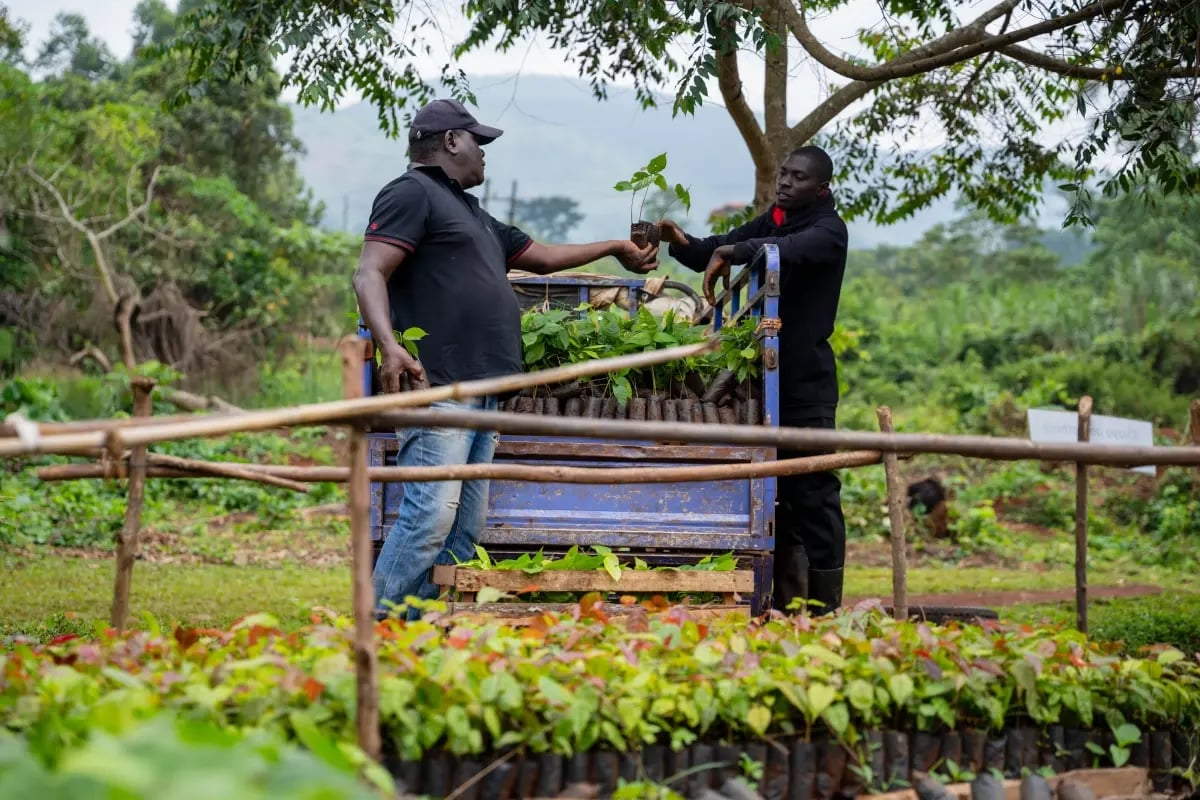 This progress is only possible because of the unique blend of global support and hyper-local action. We are grateful to our supporters and partners for providing the engine for this restoration, and to the local farmers who are choosing to become stewards of their environment.
Support us
Every tree planted, every family supported, and every chimpanzee protected brings us closer to a future where communities and nature thrive side by side. Make a donation and make a difference in the lives of these great apes, the forest they depend on, and the livelihoods of local communities.
Meet the Real Chimps of Bulindi
BCCP monitors six wild chimpanzee communities in the Budongo–Bugoma Corridor, each with its own named members and story. Meet the chimps we protect and follow their lives.