

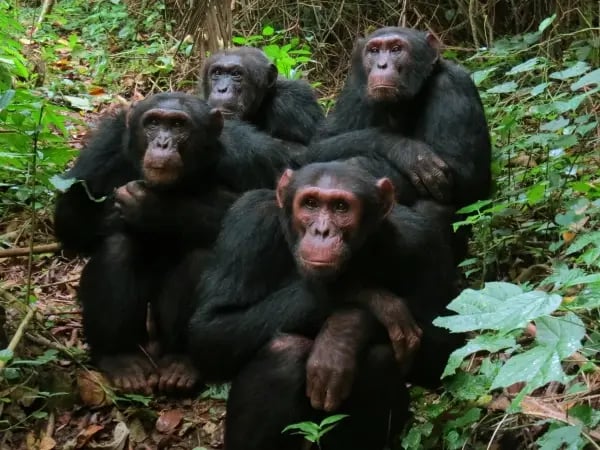
 Bulindi
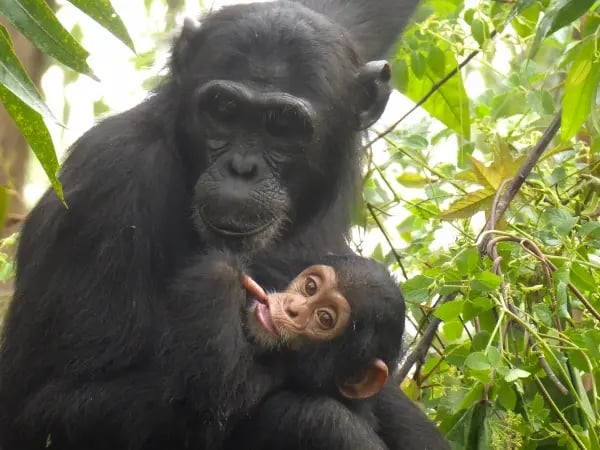 Wagaisa
.webp?width=600&height=450&name=bccp_individual%20chimp%20page%20-%20mairirwe_the%20mairirwe%20chimpanzees%20(1).webp) Mairirwe
Mairirwe
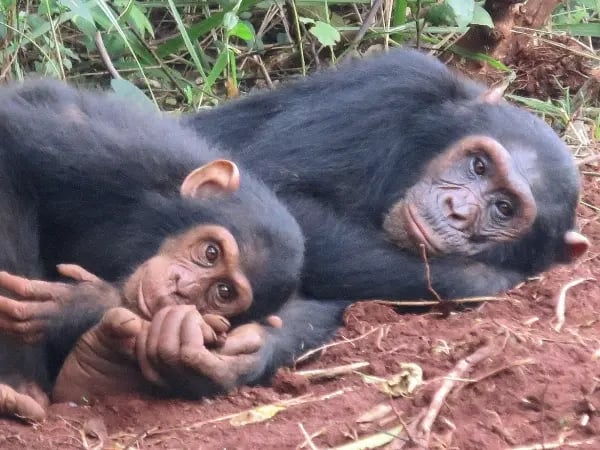 Kyabasengya
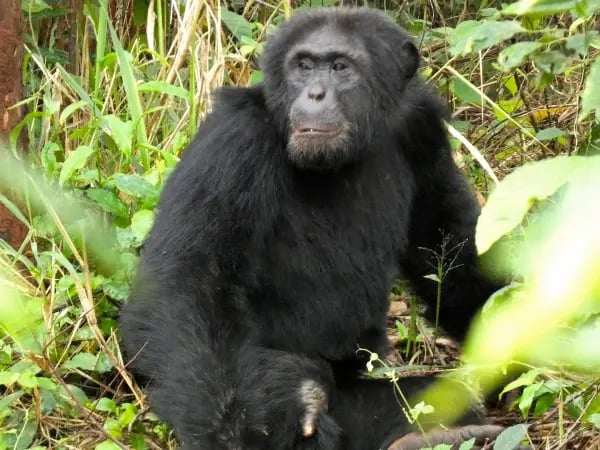 Kihomboza
.webp?width=600&height=450&name=bccp_individual%20chimp%20page%20-%20kiraira-kasunga_the%20kiraira%E2%80%93kasunga%20chimpanzees%20(1).webp) Kiraira-Kasunga
Kiraira-Kasunga
 Blogs & Updates
 Videos
 Publications
Chimpanzee Gestation and Birth Explained
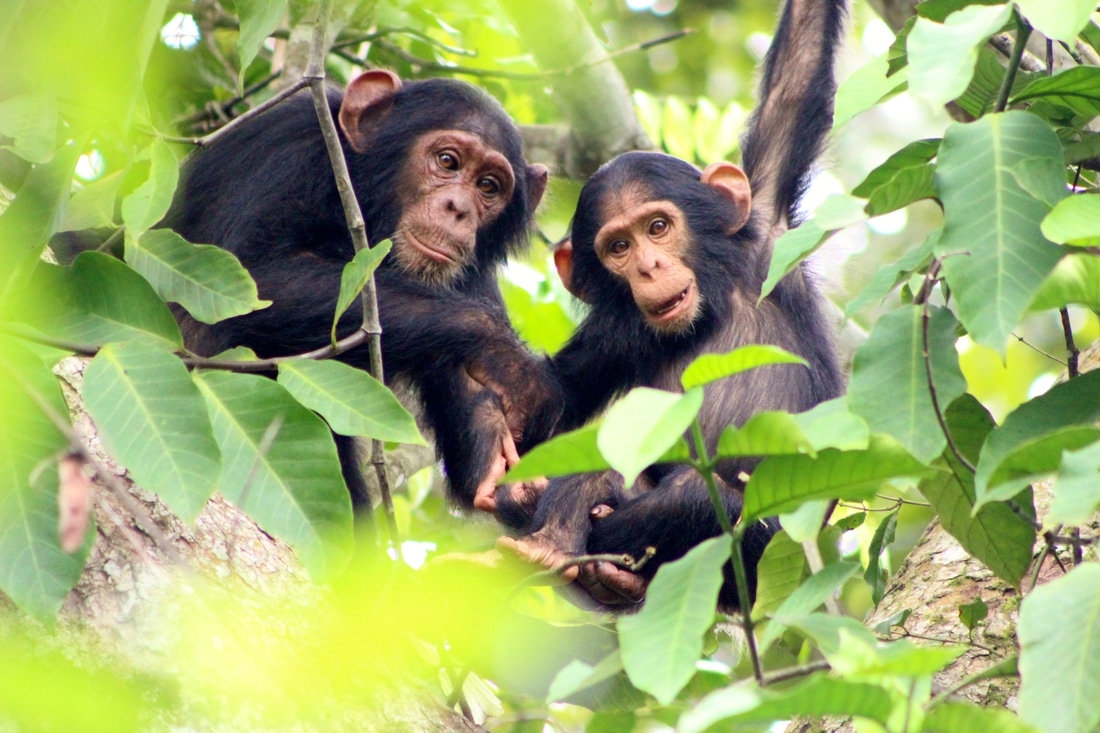
Chimpanzee reproduction is a slow, careful process, reflecting the species' long lifespan and the extended investment each mother makes in a single offspring at a time. Here's what's actually known about chimpanzee pregnancy, birth, and the vulnerable weeks that follow.
Gestation length
A chimpanzee's gestation period lasts roughly 230–240 days — around eight months, only slightly shorter than the average human pregnancy. This relatively long gestation reflects chimpanzees' slow overall life history: late reproductive maturity, long intervals between births, and an extended childhood for each offspring.
Reproductive maturity and birth spacing
Female chimpanzees typically reach reproductive maturity around 11–13 years of age, and successful mothers usually space births 5–6 years apart, since each infant requires years of intensive nursing and care before a mother has the capacity to support another. This slow reproductive rate has real conservation implications — chimpanzee populations simply cannot recover quickly from population losses the way faster-breeding species can.
Giving birth in the wild
Chimpanzee births in the wild are rarely observed directly, since mothers tend to give birth alone or with minimal disturbance, often at night or in a secluded location. What researchers do know comes from a combination of rare direct observations, births in captive and sanctuary settings, and physiological studies — mothers generally give birth without assistance, much as most wild primates do.
The vulnerable first weeks
A newborn chimpanzee is entirely dependent on its mother, clinging to her fur from birth and unable to move independently for the first several months. Infant mortality is highest in this early period, driven by factors ranging from disease and accidents to, in some populations, infanticide by rival males seeking to bring a mother back into reproductive readiness sooner.
Extended maternal care
Mothers nurse their infants for up to five years and carry them for much of that time, gradually allowing more independence as the infant grows. This extended care period is when young chimpanzees learn most of their critical life skills — tool use, social norms, and how to navigate their specific community's social hierarchy — entirely by watching their mother and other adults.
Why slow reproduction matters for conservation
Because chimpanzees reproduce so slowly — one infant every 5–6 years per female, with a long maturation period before that infant can reproduce itself — any population loss from poaching, disease, road accidents, or habitat destruction takes many years, sometimes decades, to recover from naturally. This is a core reason wild chimpanzee populations are so vulnerable to sustained pressure, even at levels that faster-breeding species might absorb more easily.
What this means on the ground in Western Uganda
Given how slowly chimpanzee populations can recover, protecting every individual — and particularly every reproductive-age female and her offspring — matters enormously to a small, fragmented community's long-term viability. This is exactly why the Bulindi Chimpanzee & Community Project invests so heavily in daily monitoring: understanding the health, reproductive status, and safety of specific known individuals in a community that simply cannot afford to lose members faster than it can naturally replace them.
Quick FAQ
Do chimpanzees usually have twins? Very rarely — single births are overwhelmingly the norm, and twin births carry significantly elevated risk for both infants given the intensive care a single chimpanzee infant already requires.
How is chimpanzee pregnancy confirmed in the wild? Researchers typically infer pregnancy through behavioural and physical changes combined with knowledge of a female's mating history, though captive settings allow more direct confirmation through veterinary examination.
At what age do female chimpanzees stop reproducing? Fertility gradually declines with age, though the exact pattern and timing varies by individual, broadly mirroring reproductive ageing patterns seen in a handful of other long-lived species.
Why every birth counts in a small population
In a large, well-connected population, the loss of a single infant or mother is a statistical blip. In a small, fragmented community like Bulindi's, it can meaningfully affect the population's overall trajectory — which is exactly why individual-level tracking of pregnancies and births matters so much to long-term conservation planning. Veterinary knowledge from sanctuary and zoo settings has also proven valuable for wild conservation work more broadly, since much of what's understood about chimpanzee reproductive health first came from closely monitored captive births before being applied to interpreting more limited wild field observations. Improved veterinary care in sanctuary settings has also gradually reduced birth-related complications for captive chimpanzees over recent decades, offering researchers a clearer picture of what a healthy birth and recovery process can look like when compared against the added risks and uncertainties of wild conditions.
This body of knowledge continues to grow as more sanctuaries adopt standardised record-keeping practices, gradually building a larger, more statistically robust dataset than any single research site could realistically produce alone.
Related Reading
- Chimpanzee Sign Language: Can Chimps "Talk"?
- Do Chimpanzees Attack Humans?
- Male vs. Female Chimpanzees: Social Roles
- Why Are Chimpanzees Endangered?
Meet the Real Chimps of Bulindi
BCCP monitors six wild chimpanzee communities in the Budongo–Bugoma Corridor, each with its own named members and story. Meet the chimps we protect and follow their lives.
You can help protect this slow-recovering population — support the Bulindi Chimpanzee & Community Project.