

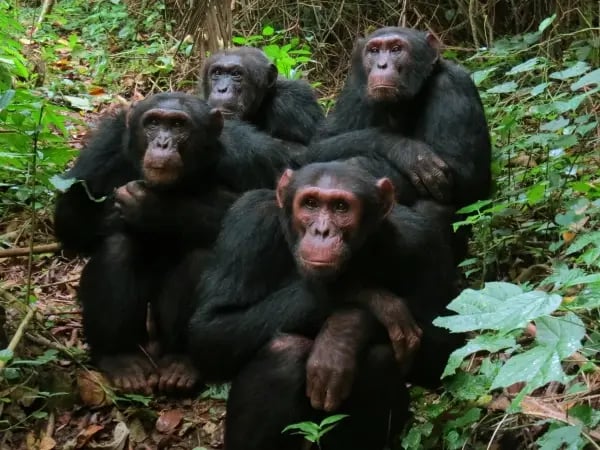
 Bulindi
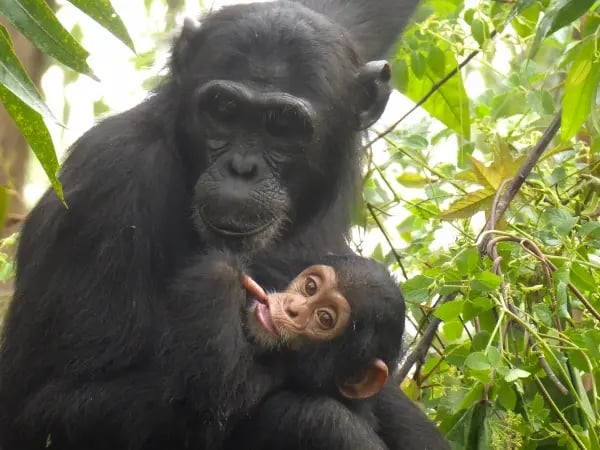 Wagaisa
.webp?width=600&height=450&name=bccp_individual%20chimp%20page%20-%20mairirwe_the%20mairirwe%20chimpanzees%20(1).webp) Mairirwe
Mairirwe
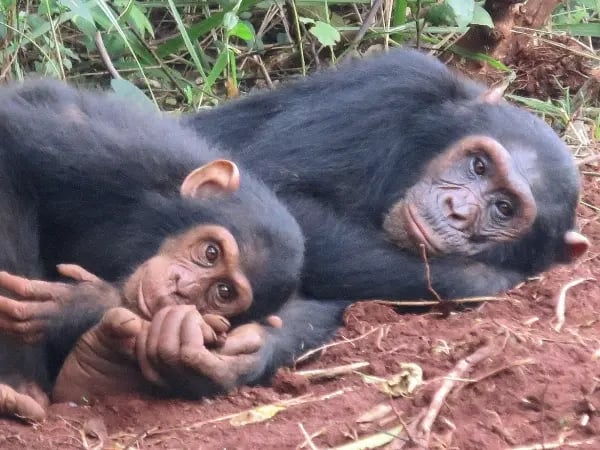 Kyabasengya
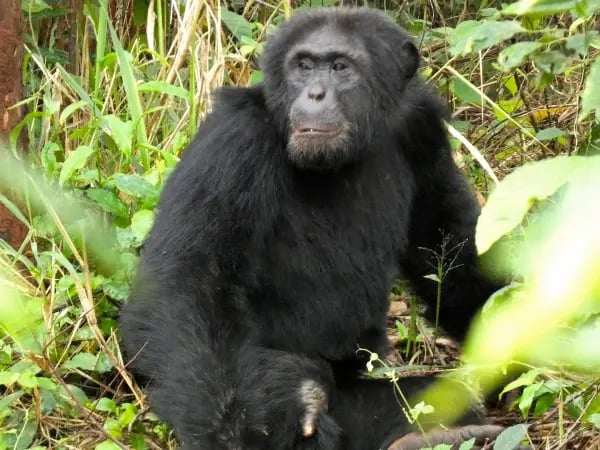 Kihomboza
.webp?width=600&height=450&name=bccp_individual%20chimp%20page%20-%20kiraira-kasunga_the%20kiraira%E2%80%93kasunga%20chimpanzees%20(1).webp) Kiraira-Kasunga
Kiraira-Kasunga
 Blogs & Updates
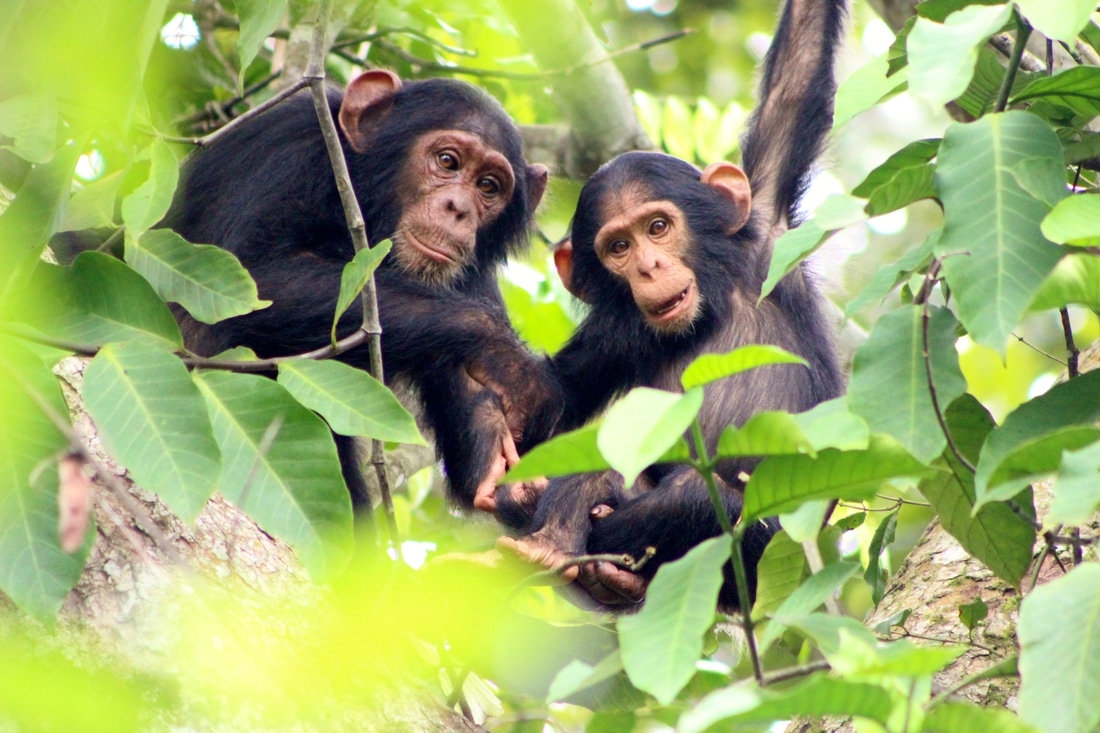
 Videos
 Publications
Types of Primates Explained
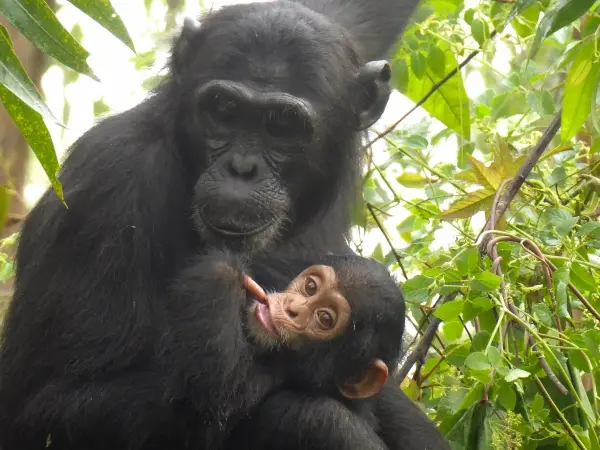
With more than 500 recognised species, primates are one of the most diverse mammalian orders on Earth — ranging from a mouse lemur small enough to fit in your palm to a gorilla weighing as much as three grown men. Here's how they're actually organised.
Strepsirrhines: the "wet-nosed" primates
This group includes lemurs, lorises, pottos, and galagos. Strepsirrhines generally rely more heavily on smell than other primates, have a moist nose pad similar to a dog's, and many species are nocturnal. Lemurs, found only on Madagascar, are the most diverse strepsirrhine group, ranging from tiny mouse lemurs to the larger indri.
Tarsiers: an evolutionary in-between
Tarsiers occupy an unusual middle position in primate classification — grouped with the haplorhines (monkeys, apes, and humans) despite sharing some traits with the strepsirrhines. These small, wide-eyed, nocturnal primates are found in South East Asian islands and are entirely insectivorous, unusual among primates.
New World monkeys
Found across Central and South America, New World monkeys include capuchins, howler monkeys, spider monkeys, and marmosets. Many species in this group have prehensile tails capable of actively gripping branches — a trait almost never seen in Old World monkeys or apes.
Old World monkeys
Found across Africa and Asia, this group includes baboons, macaques, colobus monkeys, and vervet monkeys. Old World monkeys generally lack a prehensile tail and tend to be more terrestrial than their New World counterparts, with some species, like baboons, living largely on the ground rather than in trees.
Lesser apes
Gibbons make up the lesser apes, found across South East Asia. They're notable for their extraordinary arm-swinging locomotion through the canopy and their typically monogamous social structure, distinct from the larger, more socially complex great apes.
Great apes — and where chimpanzees fit
The great apes are the largest, most cognitively complex primate group: orangutans, gorillas, chimpanzees, bonobos, and humans. All are tailless, large-brained, and — with the exception of humans — currently classified as Endangered or Critically Endangered. Chimpanzees, the focus of the Bulindi Chimpanzee & Community Project's work in Western Uganda, are among the most extensively studied great apes, alongside their closest relative, the bonobo.
Why this classification matters beyond biology class
Understanding which broad primate group a species belongs to says a lot about its ecology, social structure, and the specific conservation challenges it faces. A New World monkey's forest-canopy lifestyle calls for different protection strategies than a ground-dwelling Old World baboon population, and a great ape's slow reproduction and complex social needs demand a different conservation model again — typically far more resource-intensive per individual protected.
Why great apes need the most intensive conservation investment
Great apes reproduce more slowly than almost any other primate group — a female chimpanzee typically has one infant every five to six years, compared to many monkey species that can reproduce annually. That slow reproductive rate means great ape populations recover from losses far more slowly, making sustained, long-term conservation funding especially critical for species like chimpanzees.
The Western Uganda picture
The chimpanzee community the Bulindi Chimpanzee & Community Project monitors daily represents one small, real example of a great ape population navigating exactly the pressures — forest fragmentation, competition with farmland, road-crossing risk — that make great ape conservation some of the most demanding work in this entire, remarkably diverse primate order.
Quick FAQ
Which primate group is the largest? Old World and New World monkeys together make up the majority of primate species by sheer number, though great apes get disproportionate public attention due to their size and close relation to humans.
Are lemurs closer to monkeys or apes? Neither — lemurs belong to the more distantly related strepsirrhine group, making them evolutionarily further from both monkeys and apes than those two groups are from each other.
Do New World monkeys ever live in Africa? No — New World monkeys are found exclusively in Central and South America, while Old World monkeys occupy Africa and Asia; the two groups don't naturally overlap anywhere. Understanding where a species sits within this broader classification helps explain not just its biology, but the specific conservation model that actually works for it — a lesson that applies just as much to a fragmented chimpanzee population in Western Uganda as to any other primate group facing its own distinct pressures.
Researchers who study one primate group often draw on methods and findings from work with entirely different primates, since so many of the underlying questions — how social learning spreads, how habitat loss affects reproduction, how cognition evolved — turn out to be shared across the order despite its huge outward diversity. Even a brief overview like this one only scratches the surface of just how varied primate life actually is across the planet.
Related Reading
- Different Types of Apes
- How Much DNA Do Humans Share With Chimpanzees?
- Chimpanzee Subspecies Explained
- Apes vs. Monkeys: What's the Real Difference?
Meet the Real Chimps of Bulindi
BCCP monitors six wild chimpanzee communities in the Budongo–Bugoma Corridor, each with its own named members and story. Meet the chimps we protect and follow their lives.
Support the Bulindi Chimpanzee & Community Project to help protect one of these great apes directly.