

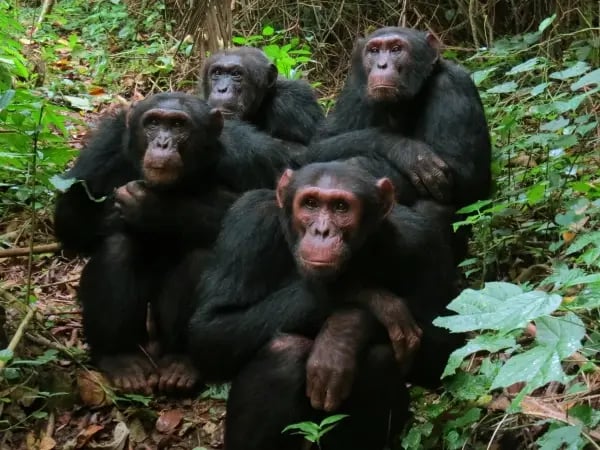
 Bulindi
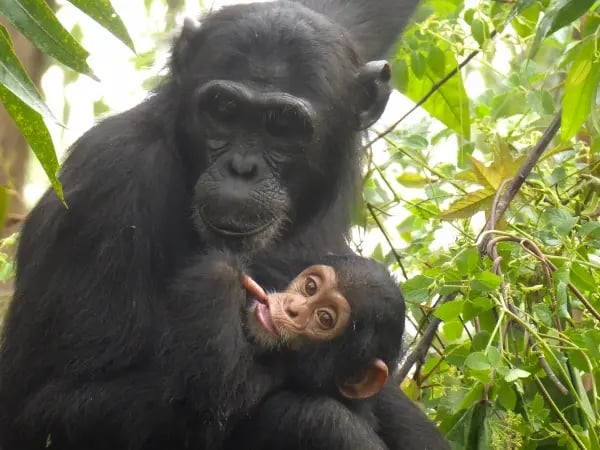 Wagaisa
.webp?width=600&height=450&name=bccp_individual%20chimp%20page%20-%20mairirwe_the%20mairirwe%20chimpanzees%20(1).webp) Mairirwe
Mairirwe
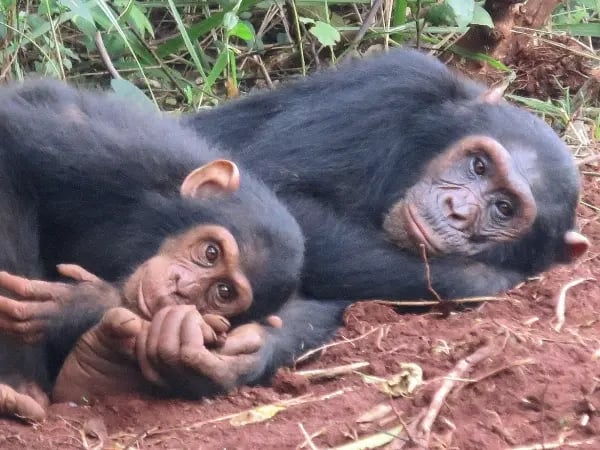 Kyabasengya
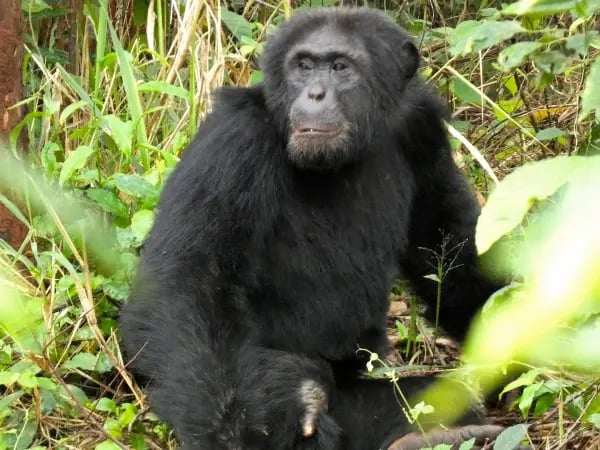 Kihomboza
.webp?width=600&height=450&name=bccp_individual%20chimp%20page%20-%20kiraira-kasunga_the%20kiraira%E2%80%93kasunga%20chimpanzees%20(1).webp) Kiraira-Kasunga
Kiraira-Kasunga
 Blogs & Updates
 Videos
 Publications
What "Endangered" Actually Means (IUCN Explained)
Chimpanzees are classified as Endangered by the International Union for Conservation of Nature (IUCN), but what does that specific classification actually mean, and how is it determined? The answer is more precise, and more useful, than the word "endangered" alone suggests.
What the IUCN Red List actually is
The IUCN Red List is the world's most widely recognised system for assessing a species' extinction risk, using standardised criteria applied consistently across virtually every studied species on Earth. It sorts species into a series of categories, from Least Concern through to Extinct, based on measurable population and range data rather than subjective impression.
The categories, from lowest to highest risk
The main categories run: Least Concern, Near Threatened, Vulnerable, Endangered, Critically Endangered, Extinct in the Wild, and Extinct. Vulnerable, Endangered, and Critically Endangered together make up what's often referred to as "threatened" status, indicating a genuinely elevated extinction risk requiring conservation attention.
What actually determines a species' category
Classification is based on specific, quantifiable criteria: population size and trend, rate of decline over a set time period, geographic range size and fragmentation, and, in some assessments, direct quantitative extinction risk modelling. A species doesn't get classified as Endangered based on general impression — it has to meet specific, documented thresholds under at least one of these criteria.
Why chimpanzees are classified as Endangered
Chimpanzees meet Endangered status based primarily on population decline — an estimated drop from roughly one million individuals a century ago to somewhere between 170,000 and 300,000 today — combined with continuing habitat loss and fragmentation across most of their range. Some subspecies, including the Western chimpanzee, have declined so steeply that they're classified as Critically Endangered, a category one step more severe.
Why the classification gets reassessed periodically
IUCN assessments are periodically updated as new population data becomes available, meaning a species' classification can change over time — in either direction — reflecting genuine shifts in population trend and conservation status rather than a permanent, fixed label.
Why this classification actually matters in practice
Beyond public awareness, Red List classifications influence international conservation funding priorities, trade regulations under agreements like CITES, and national protection laws in range countries. A species' Red List status is a genuinely load-bearing piece of information, not just a symbolic label.
What "Endangered" doesn't mean
Endangered doesn't mean a species is on the immediate brink of extinction — that's closer to Critically Endangered territory — but it does mean the population faces a genuinely elevated risk of extinction without sustained conservation intervention. It's a serious warning, not (yet) a crisis-level emergency classification, though continued decline can shift a species toward that more severe category over time.
What this means for a specific population like Bulindi's
Understanding chimpanzees' broad Endangered classification is useful context, but the real, on-the-ground picture for any specific wild community — like the one the Bulindi Chimpanzee & Community Project monitors in Western Uganda — depends on detailed, local data: population trend, habitat security, and the specific threats that community actually faces day to day, which is exactly what sustained field monitoring is designed to track.
Quick FAQ
Who actually carries out IUCN Red List assessments? Assessments are conducted by specialist groups of scientists and conservationists organised under the IUCN Species Survival Commission, drawing on the best available population data for each species.
Can a species move to a less severe category over time? Yes — successful conservation intervention can lead to a species being downlisted to a less severe category, though this requires sustained, verified population recovery over time.
Is Red List status legally binding? Not directly, but it heavily influences national laws, international trade agreements like CITES, and conservation funding priorities, giving it substantial practical weight despite not being a law itself.
Why local data still matters most
A species-wide Red List classification is useful context, but the real, actionable picture for protecting any specific wild population comes from detailed, local field data — population trend, habitat security, and daily threats — exactly the kind of information sustained field monitoring is designed to produce. The assessment process itself is also periodically reviewed and refined by the scientific community, ensuring the underlying criteria keep pace with improving population survey methods and a deeper collective understanding of extinction risk across different species and ecosystems. Some conservation scientists have argued for even more frequent reassessment cycles for fast-changing species and regions, given how quickly on-the-ground conditions like habitat loss can shift between the standard multi-year intervals most Red List assessments currently follow.
Related Reading
- Great Apes and Climate Change
- How Many Chimpanzees Are Left in the World?
- The Albertine Rift: Uganda's Biodiversity Hotspot
- What Is a Primate?
Meet the Real Chimps of Bulindi
BCCP monitors six wild chimpanzee communities in the Budongo–Bugoma Corridor, each with its own named members and story. Meet the chimps we protect and follow their lives.
Support the Bulindi Chimpanzee & Community Project to help protect this Endangered species on the ground in Uganda. These calls for more frequent reassessment reflect a broader, ongoing tension in conservation science between the need for rigorous, careful methodology and the need to respond quickly to fast-moving, on-the-ground threats.