

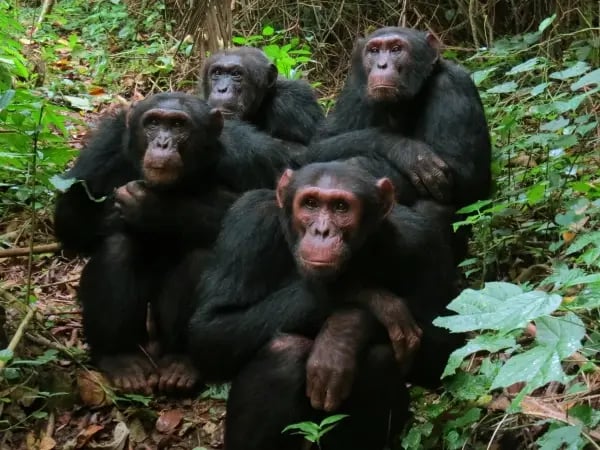
 Bulindi
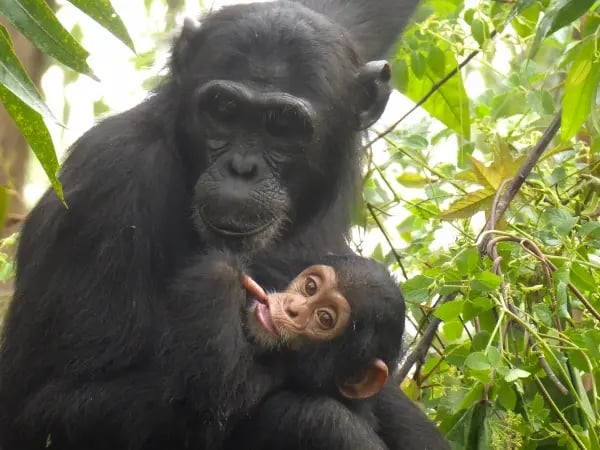 Wagaisa
.webp?width=600&height=450&name=bccp_individual%20chimp%20page%20-%20mairirwe_the%20mairirwe%20chimpanzees%20(1).webp) Mairirwe
Mairirwe
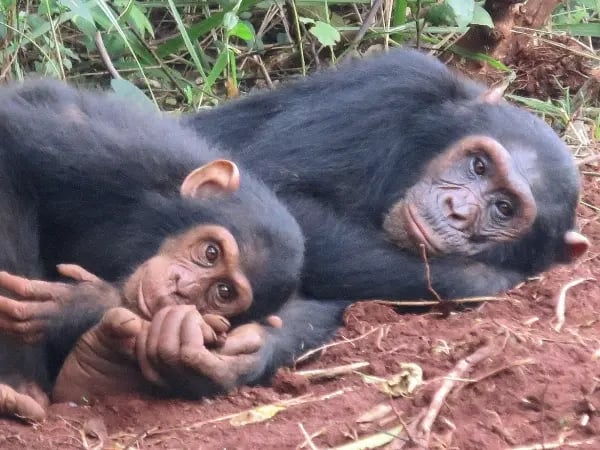 Kyabasengya
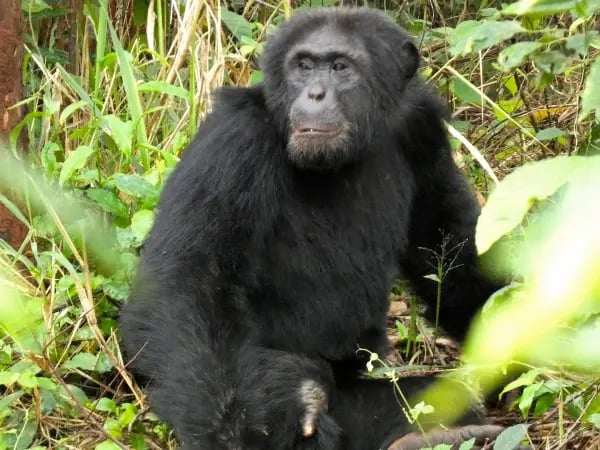 Kihomboza
.webp?width=600&height=450&name=bccp_individual%20chimp%20page%20-%20kiraira-kasunga_the%20kiraira%E2%80%93kasunga%20chimpanzees%20(1).webp) Kiraira-Kasunga
Kiraira-Kasunga
 Blogs & Updates
 Videos
 Publications
Chimpanzee Diet in the Wild
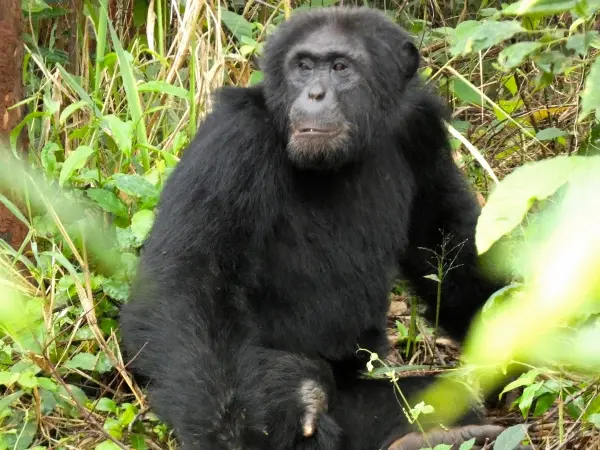
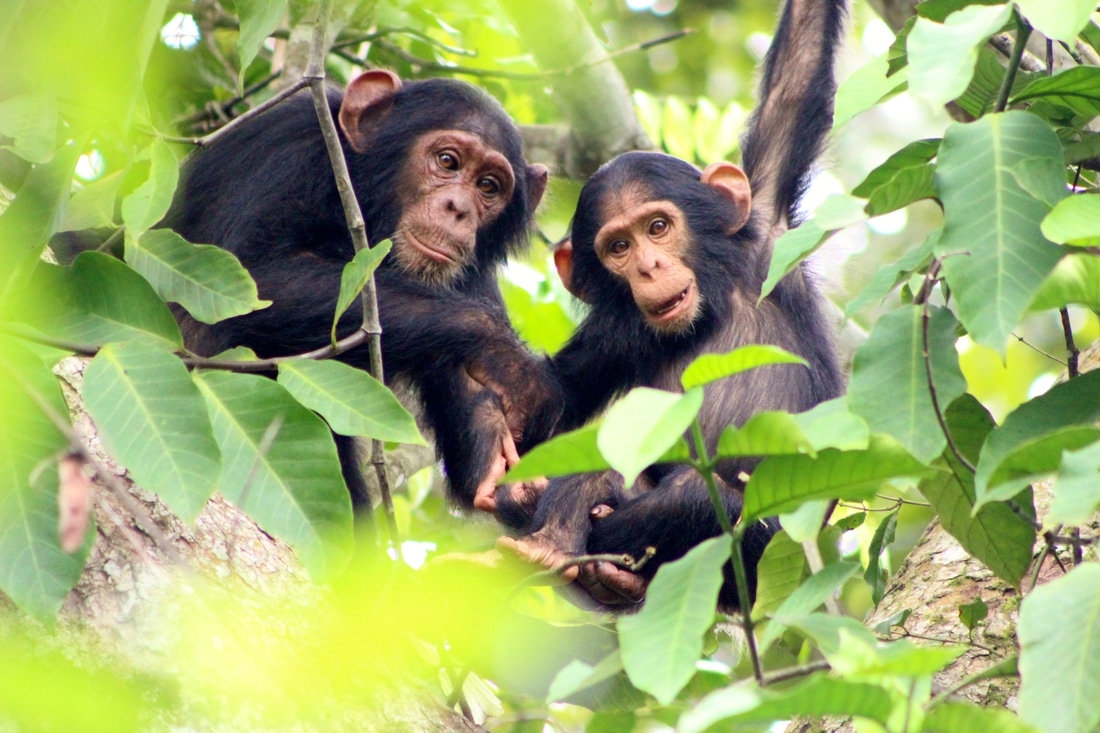
A wild chimpanzee's diet isn't fixed — it shifts constantly with the seasons, the local habitat, and what's actually available at any given time. Understanding that flexibility is key to understanding both chimpanzee ecology and the conservation pressures they face today.
A fruit-centred, but flexible, diet
Ripe fruit is the preferred food for most wild chimpanzee populations, and chimpanzees show remarkable spatial memory for tracking which trees are fruiting where and when across a large home range. But chimpanzees are true dietary generalists — when preferred fruit is scarce, they shift readily to leaves, seeds, bark, insects, and occasionally meat, rather than relying on one narrow food source.
Seasonal foraging strategy
During peak fruiting seasons, chimpanzee groups often gather in larger numbers at productive feeding sites, since there's enough food to support bigger temporary gatherings. During lean seasons, communities typically split into smaller foraging parties spread more thinly across the range, reducing competition for scarcer resources — a direct behavioural expression of the fission-fusion social system chimpanzees are known for.
Insect foraging and tool use
Termites and ants are a reliable protein source across most chimpanzee ranges, and extracting them is one of the best-documented examples of tool use in any wild animal — chimpanzees strip leaves from thin sticks and insert them carefully into termite mounds, withdrawing them coated in insects to eat.
Hunting behaviour
Chimpanzees also hunt, occasionally taking smaller mammals through coordinated group efforts, with meat shared — sometimes strategically, to reinforce alliances — among group members after a successful hunt. Hunting frequency varies significantly between different chimpanzee populations, another example of local behavioural traditions layered on top of shared biology.
What happens when natural food becomes scarce
This is where diet and habitat loss intersect directly. As forest is cleared for agriculture — the dominant pattern across much of Western Uganda — chimpanzees lose the fruiting trees and other natural food sources their diet depends on throughout the year. Faced with genuine food scarcity, chimpanzees are far more likely to raid nearby crops, directly threatening farmers' livelihoods and escalating tension between people and wildlife.
Restoring the natural diet as conservation strategy
Because diet scarcity is such a direct driver of human-chimpanzee conflict, forest enrichment planting — deliberately replenishing degraded forest with the specific fruit trees and other food plants chimpanzees rely on — is one of the most targeted, effective interventions available. It tackles conflict at its actual root cause rather than only managing the symptoms after crop-raiding has already occurred.
Why this matters in Western Uganda specifically
The Bulindi Chimpanzee & Community Project runs exactly this kind of forest enrichment programme, alongside corridor replanting to reconnect fragmented forest patches, precisely because restoring a wild community's natural food base is one of the clearest, most measurable ways to reduce conflict and support long-term chimpanzee survival in a shared, human-dominated landscape.
Quick FAQ
How do researchers actually study wild chimpanzee diet? Mainly through direct field observation of feeding behaviour, combined with analysis of feeding remains and, in some studies, dietary tracking through faecal analysis to confirm what's actually been consumed.
Do chimpanzees store food for later? Not in the way some other animals cache food, though chimpanzees do show planning behaviour, such as carrying tools to a location in anticipation of future use.
Does diet vary between male and female chimpanzees? Broadly similar, though subtle differences in foraging strategy and range use between sexes have been documented at some field sites, tied to their differing social priorities.
Restoring diet as direct conservation action
Because so much human-chimpanzee conflict traces back to natural food scarcity, restoring a wild community's dietary base through forest enrichment planting is one of the most direct, measurable ways a donation can translate into fewer crop-raiding incidents and less tension between chimpanzees and the farming communities they share land with. Researchers have also found that chimpanzee diet can shift measurably within a single individual's lifetime as forest composition changes around them, offering a useful, if indirect, way to track slow-moving habitat degradation over the years through behavioural data alone. Citizen science and camera-trap technology have also begun supplementing traditional direct observation in some research programmes, offering a lower-cost way to gather dietary and behavioural data across a wider area than a single field team could realistically cover through direct observation alone.
This dietary research has also proven useful for predicting how a specific community might respond to a newly planted enrichment area, helping conservation teams select tree species most likely to be readily used.
Understanding these dietary patterns in detail also helps conservation teams anticipate problems before they escalate, flagging early signs of food stress in a specific community well before crop-raiding conflict actually begins. Every dollar spent on enrichment planting is, in a very direct sense, an investment in reducing tomorrow's crop-raiding conflict before it ever has the chance to happen.
Related Reading
- How Smart Are Chimpanzees, Really?
- Chimpanzee Aggression: Causes and Context
- Chimpanzee Gestation and Birth Explained
- Why Are Chimpanzees Endangered?
Meet the Real Chimps of Bulindi
BCCP monitors six wild chimpanzee communities in the Budongo–Bugoma Corridor, each with its own named members and story. Meet the chimps we protect and follow their lives.
You can help fund this work directly — support the Bulindi Chimpanzee & Community Project.