

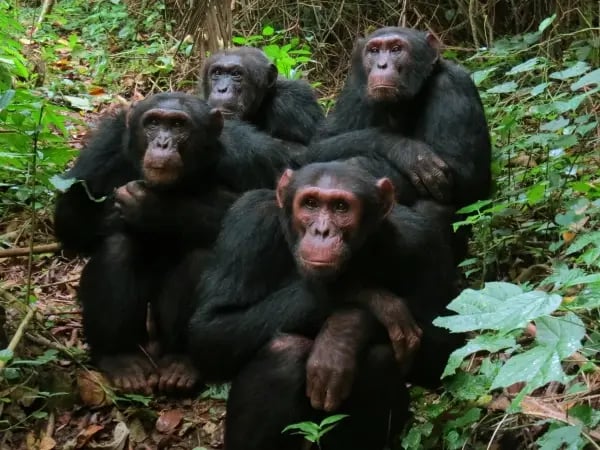
 Bulindi
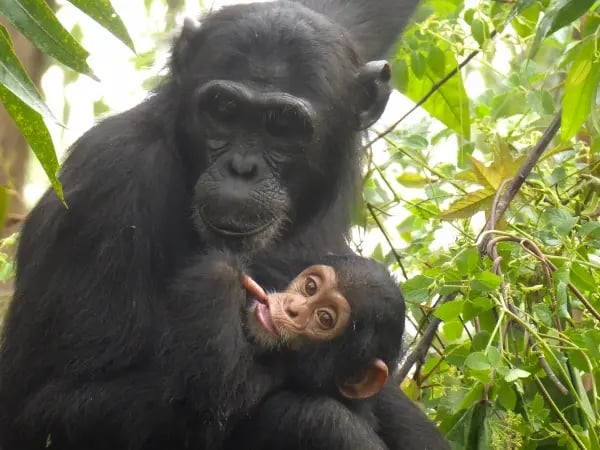 Wagaisa
.webp?width=600&height=450&name=bccp_individual%20chimp%20page%20-%20mairirwe_the%20mairirwe%20chimpanzees%20(1).webp) Mairirwe
Mairirwe
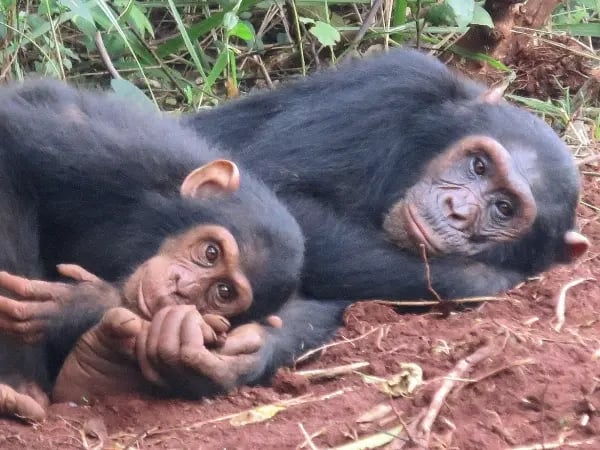 Kyabasengya
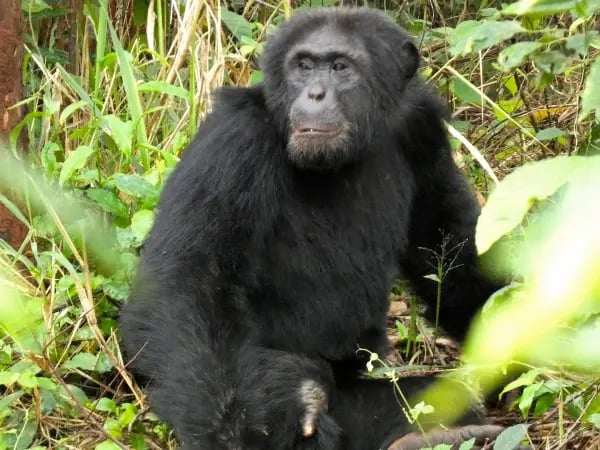 Kihomboza
.webp?width=600&height=450&name=bccp_individual%20chimp%20page%20-%20kiraira-kasunga_the%20kiraira%E2%80%93kasunga%20chimpanzees%20(1).webp) Kiraira-Kasunga
Kiraira-Kasunga
 Blogs & Updates
 Videos
 Publications
Chimpanzee Poaching: What It Is and Why It Happens
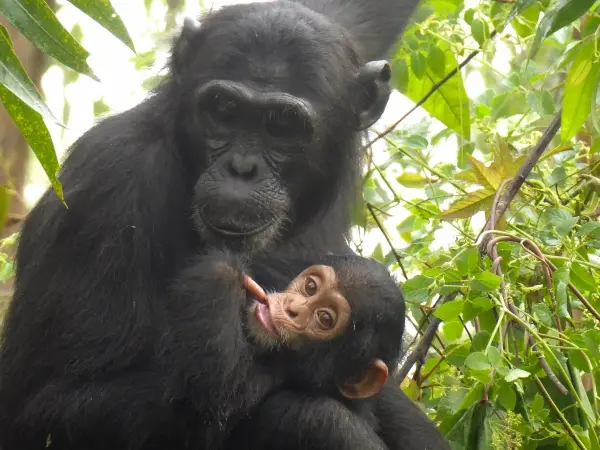
"Poaching" covers a range of distinct threats to wild chimpanzees, each with different drivers and different practical responses. Understanding the specific forms it takes is more useful than treating it as a single, undifferentiated problem.
Bycatch from bushmeat snaring
The most common way chimpanzees are caught is as unintended bycatch — snares set for other bushmeat species, like forest antelope, frequently trap and injure or kill chimpanzees moving through the same forest trails. This isn't targeted hunting of chimpanzees specifically, but the harm is just as real, and often just as lasting for any individual who survives.
The illegal pet and entertainment trade
A smaller but especially brutal form of poaching involves capturing infant chimpanzees for the illegal pet or entertainment trade. Because infants are almost never voluntarily separated from their mothers, capturing one typically requires killing the mother first — meaning a single captured infant often represents the loss of an adult female as well, a particularly devastating combination given chimpanzees' slow reproductive rate.
Direct hunting for bushmeat
In some regions, chimpanzees are directly hunted for bushmeat, though this is generally less common than bycatch snaring and varies significantly by local custom, law enforcement presence, and cultural attitudes toward eating primates specifically.
Why poaching persists despite legal protection
Chimpanzees are legally protected across virtually their entire range, but enforcement in remote, under-resourced forest areas is genuinely difficult, and the economic incentives driving both bushmeat snaring and the illegal pet trade are often significant relative to the real risk of being caught and prosecuted.
Poverty as an underlying driver
Much poaching — particularly bycatch snaring for bushmeat — is driven by genuine economic need rather than malice toward chimpanzees specifically. Communities living near forest with few alternative income or protein sources may rely on bushmeat hunting out of necessity, meaning purely punitive anti-poaching approaches often fail to address the underlying reason the activity happens in the first place.
What actually reduces poaching pressure
The most effective responses tend to combine several elements: active snare removal and forest patrols, community education about the specific harm to protected species like chimpanzees, and — critically — providing genuine economic alternatives so that communities have less need to rely on bushmeat hunting or illegal wildlife trade for income or food security.
The community development connection
This is exactly why the Bulindi Chimpanzee & Community Project pairs its conservation work with direct community support in Western Uganda — education sponsorship for local schoolchildren, support for small household livelihood projects like livestock rearing, and access to clean water. Reducing the economic pressures that drive poaching is just as important a conservation lever as forest protection itself.
Why daily monitoring matters here too
Consistent, on-the-ground monitoring of a wild chimpanzee community also plays a direct role in poaching prevention — a visible, regular field presence acts as a natural deterrent, and any injuries or losses are identified and responded to far faster than would be possible without that ongoing attention.
Quick FAQ
Is chimpanzee meat commonly eaten? Cultural attitudes vary significantly by region — in some areas, primate meat is not traditionally eaten at all, while in others bushmeat hunting, including opportunistic chimpanzee hunting, is more common.
How much does an illegally captured infant chimpanzee sell for? Prices vary widely by destination market and demand, but the illegal trade can be lucrative enough to create real incentive despite significant legal risk in most jurisdictions.
Do anti-poaching patrols alone solve the problem? Patrols and snare removal help, but most conservation experts agree they're most effective when combined with addressing the underlying economic drivers of poaching, not as a standalone solution.
Why this requires patience, not just enforcement
Poaching pressure built up over years of economic hardship doesn't disappear overnight, even with active patrols and legal enforcement. Sustained community investment — education, livelihood support, and consistent field presence — tends to produce more durable reductions in poaching pressure than enforcement measures alone. International cooperation also plays a meaningful role here, since the illegal wildlife trade frequently crosses national borders, meaning effective enforcement often depends on coordination between multiple countries' wildlife authorities rather than any single nation acting alone. Public awareness campaigns in destination countries for the illegal pet trade have also become an increasingly important complementary strategy, aiming to reduce demand directly rather than relying solely on supply-side enforcement in the countries where chimpanzees actually live.
Ultimately, reducing poaching pressure sustainably depends on treating affected communities as genuine conservation partners rather than simply as a threat to be managed or policed from the outside.
Related Reading
- How Roads Threaten Wild Chimpanzee Populations
- Disease Risk From Human-Chimpanzee Contact
- What Is a Wildlife Corridor?
- 50 Fascinating Chimpanzee Facts
Meet the Real Chimps of Bulindi
BCCP monitors six wild chimpanzee communities in the Budongo–Bugoma Corridor, each with its own named members and story. Meet the chimps we protect and follow their lives.
Support the Bulindi Chimpanzee & Community Project to help fund this combined conservation and community approach. Some countries have also strengthened penalties specifically for great ape poaching and trafficking in recent years, reflecting growing international recognition of just how serious and irreversible this particular threat is.