
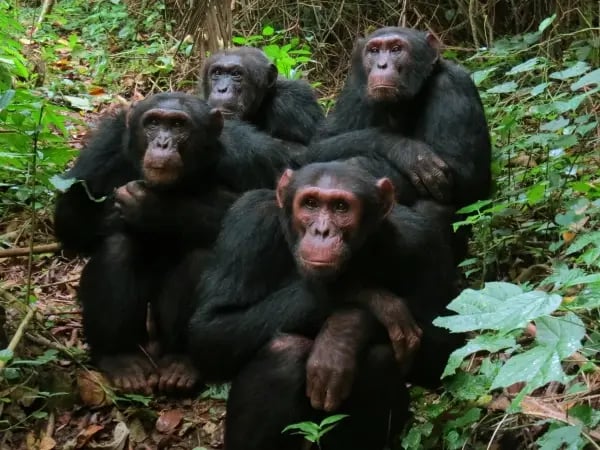
 Bulindi
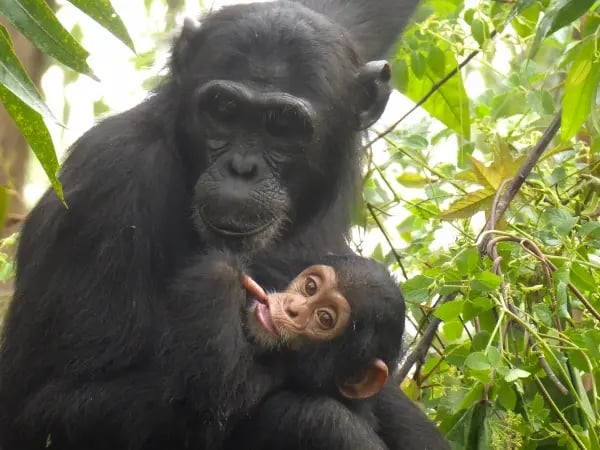 Wagaisa
.webp?width=600&height=450&name=bccp_individual%20chimp%20page%20-%20mairirwe_the%20mairirwe%20chimpanzees%20(1).webp) Mairirwe
Mairirwe
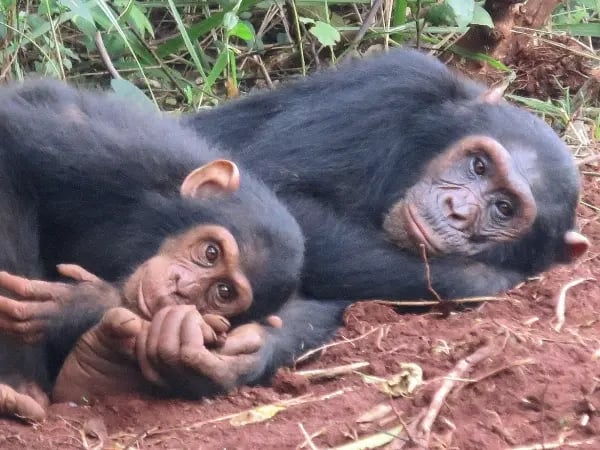 Kyabasengya
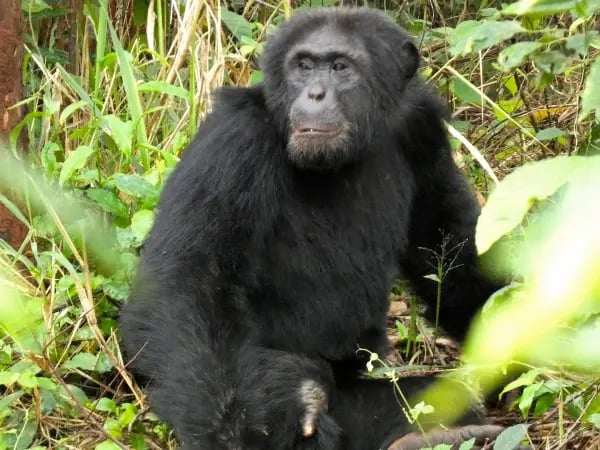 Kihomboza
.webp?width=600&height=450&name=bccp_individual%20chimp%20page%20-%20kiraira-kasunga_the%20kiraira%E2%80%93kasunga%20chimpanzees%20(1).webp) Kiraira-Kasunga
Kiraira-Kasunga
 Blogs & Updates
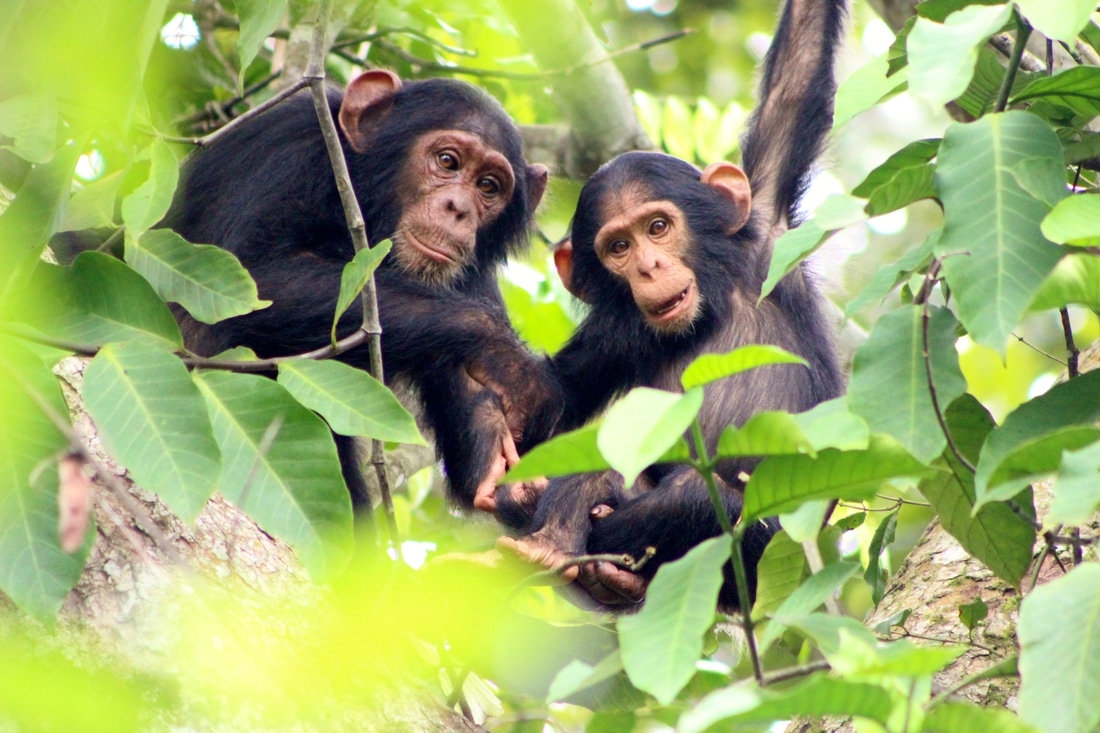
 Videos
 Publications
The Albertine Rift: Uganda's Biodiversity Hotspot
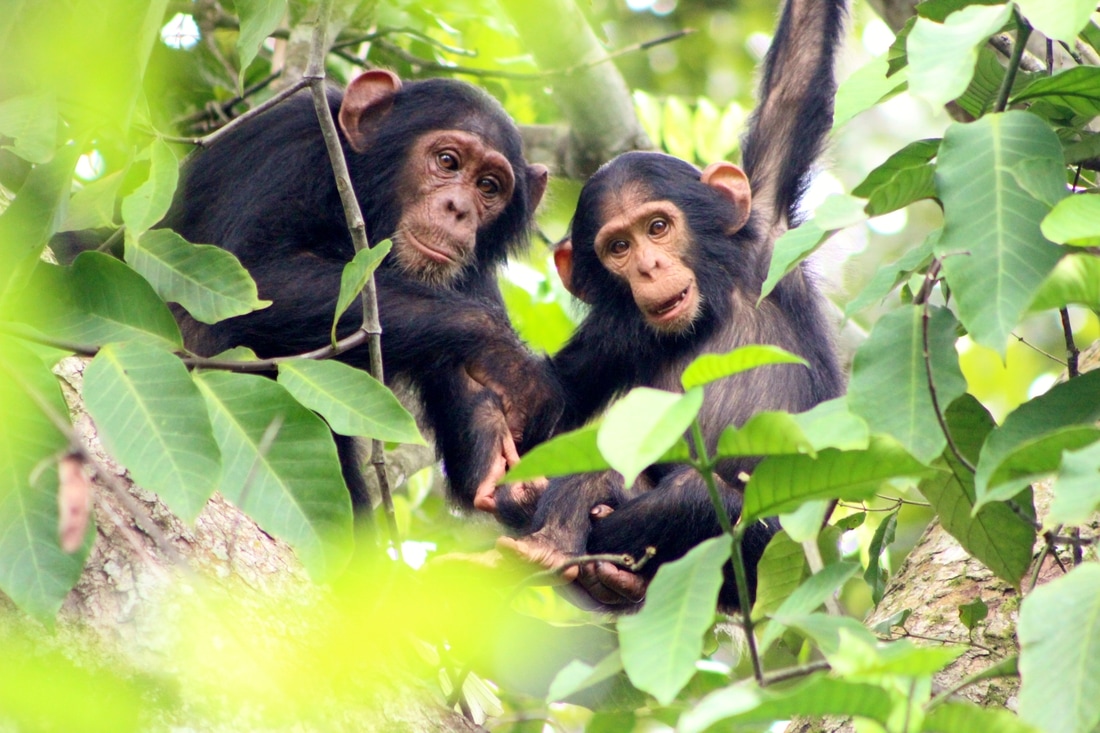
The Albertine Rift, running along the western branch of the East African Rift system through Uganda, the Democratic Republic of Congo, Rwanda, Burundi, and Tanzania, is recognised as one of Africa's most significant biodiversity hotspots — and Western Uganda's forest fragments, home to wild chimpanzees, sit within this globally important region.
What makes a "biodiversity hotspot"
A biodiversity hotspot is a region recognised for both exceptional species richness — including many species found nowhere else on Earth — and significant habitat loss, making conservation there especially urgent. The Albertine Rift qualifies on both counts: extraordinary biological diversity shaped by its varied elevation and habitat types, combined with substantial ongoing pressure from agriculture, settlement, and resource extraction.
A dramatic range of habitats in one region
The Albertine Rift spans an unusually wide range of elevations and habitat types within a relatively compact geographic area — from lowland tropical forest to montane forest, savanna, and even Afro-alpine habitat at higher elevations. This habitat diversity is a major reason the region supports such an extraordinary range of species.
Species found nowhere else
The region is home to numerous endemic species — plants and animals found in this region and nowhere else in the world — spanning birds, amphibians, and mammals. Several great ape populations, including mountain gorillas and various chimpanzee populations, rely on Albertine Rift forest habitat, making the region critically important for great ape conservation specifically, not just biodiversity more broadly.
Western Uganda's place within the Rift
The forest fragments of Western Uganda, including the landscape the Bulindi Chimpanzee & Community Project works in, sit within this wider Albertine Rift region. The area's chimpanzee population is one part of a broader pattern across the Rift: important wildlife populations surviving in a landscape under significant and ongoing human pressure.
Shared threats across the region
Much of the Albertine Rift faces the same fundamental pressures driving habitat loss in Western Uganda specifically: small-scale agricultural expansion, population growth, and — in parts of the wider region — the added complexity of political instability and resource extraction pressure. The scale of the challenge varies by country and specific area, but the underlying dynamic of shrinking, fragmenting habitat is broadly consistent.
Why regional context matters for local conservation work
Understanding Western Uganda's chimpanzee population as part of the wider Albertine Rift picture reinforces why the specific, on-the-ground work happening there matters beyond just one local community — it's a genuine contribution to conserving one of the most biodiverse, and most pressured, regions on the African continent.
What effective conservation looks like at this scale
Given the sheer scale and complexity of the Albertine Rift as a whole, meaningful conservation progress tends to come from sustained, well-targeted local efforts across many specific sites rather than any single large intervention. The Bulindi Chimpanzee & Community Project's forest enrichment, corridor replanting, and community development work in Western Uganda is exactly this kind of targeted, site-specific contribution to a much larger regional conservation picture.
Quick FAQ
How many recognised biodiversity hotspots exist globally? Conservation International recognises several dozen biodiversity hotspots worldwide, each meeting strict criteria for both species richness and habitat loss — the Albertine Rift is one of Africa's most significant.
Does the Albertine Rift include any national parks? Yes — the region includes several well-known protected areas across multiple countries, alongside unprotected forest fragments like those in Western Uganda that still support significant wildlife populations.
Is mountain gorilla habitat part of the same region as Bulindi's chimpanzees? Both fall within the broader Albertine Rift, though mountain gorillas occupy higher-elevation montane forest in a different specific location to Bulindi's lowland chimpanzee habitat.
Why local work has regional significance
Protecting a single chimpanzee community in Western Uganda is a genuinely meaningful contribution to safeguarding the broader Albertine Rift's biodiversity — a reminder that global-scale conservation targets are ultimately achieved through exactly this kind of specific, sustained, local work, not through abstract regional strategy alone. International conservation funding bodies increasingly recognise the Albertine Rift's global significance, though funding still tends to concentrate on the region's most famous protected areas, leaving smaller, unprotected populations like Bulindi's comparatively under-resourced relative to their genuine conservation importance. Regional conservation coordination bodies have made some progress in recent years aligning strategy across the multiple countries the Albertine Rift spans, though political and resource disparities between countries continue to complicate consistent, region-wide conservation planning and funding.
Every dollar directed toward a specific, well-managed site within this region is a genuinely leveraged contribution to protecting one of the most biologically important, and most threatened, landscapes on the African continent.
Related Reading
- Where Do Wild Chimpanzees Live Today?
- What "Endangered" Actually Means (IUCN Explained)
- Great Apes and Climate Change
- 50 Fascinating Chimpanzee Facts
Meet the Real Chimps of Bulindi
BCCP monitors six wild chimpanzee communities in the Budongo–Bugoma Corridor, each with its own named members and story. Meet the chimps we protect and follow their lives.
Support the Bulindi Chimpanzee & Community Project to help protect this part of the Albertine Rift's biodiversity. Cross-border research collaboration has nonetheless produced valuable shared data over the years, helping build a more complete regional picture than any single country's conservation efforts could achieve in isolation.